


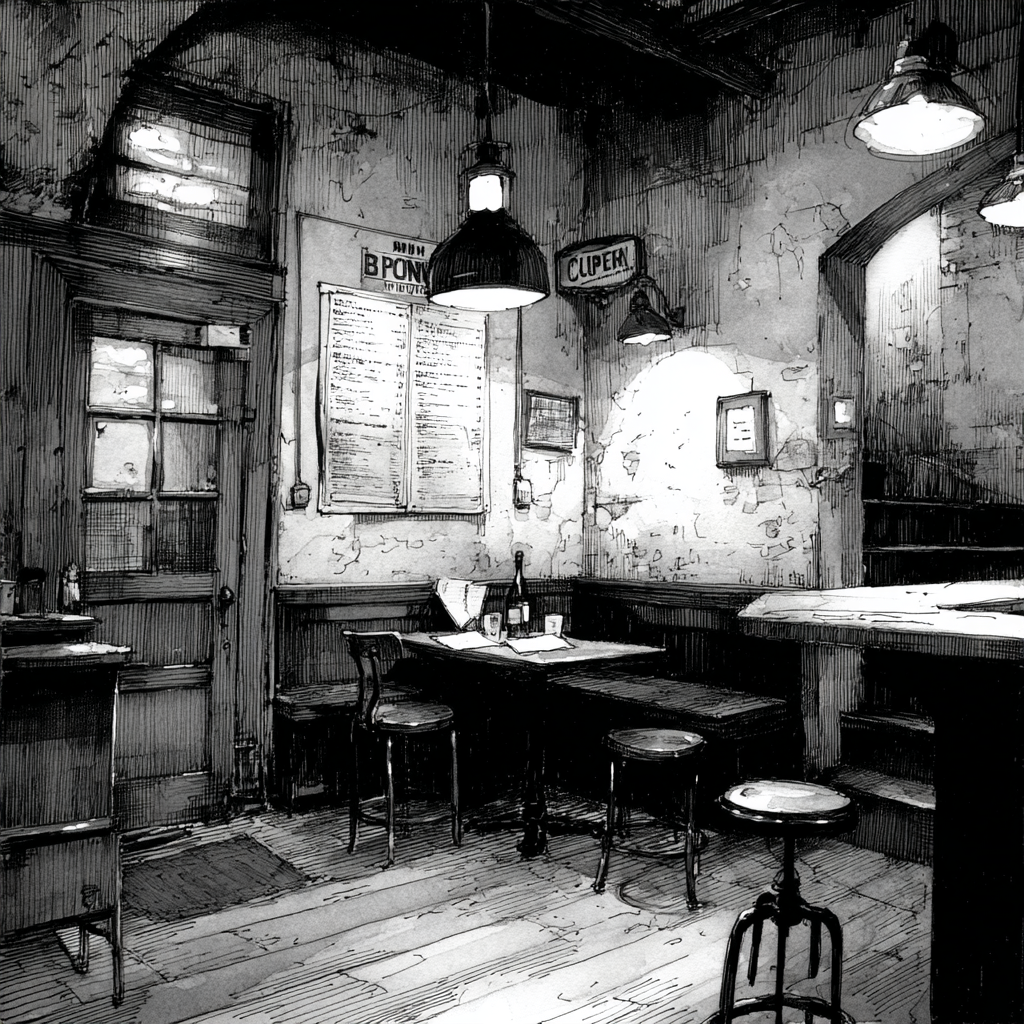
Restaurant Profitability: Why Smaller Rooms Make More Money
Restaurant profitability gets hit hardest in rooms that look like they are doing fine. Trouble starts when owners chase more seats, longer hours, and bigger menus in the name of growth.
The Night We Added Too Many Tables
I sat with an owner in a suburban dining room on a Saturday. Every spare inch held a two-top. Servers turned sideways to move through the floor. Guests kept shifting their knees so trays slipped past.
When we pulled revenue per available seat hour, the numbers stripped the glow from the night. Extra tables dragged the average down. Labor climbed. Ticket times stretched.
The room felt busy. Restaurant profitability slipped another notch.
When Bigger Rooms Earn Less
Most operators track food cost percentage, labor percentage, and weekly sales. Fewer track what each seat produces in an hour of trading. That blind spot hides the real story.
Revenue divided by seats divided by hours open. Nothing complex. When seat count climbs faster than demand, revenue per seat hour drops. Service slows. Staff stretch further. Walk-ins wait longer for a table that earns less than it did last year.
I watched one regional group take over a tired corner site. They added a bar, pushed capacity up, and called it a win. Twelve months in, revenue rose a little, profit fell. Energy in the room went up. Restaurant profitability went down.
The Menu That Jammed the Line
Menu size trips the same wire. Every extra dish brings prep, storage, training, and execution cost. The guest sees choice. The kitchen fights chaos.
In one multi-unit casual brand, the main menu ran across both sides of a laminated sheet. Sixty plus dishes, all listed as “must keep”.
A long tail of items sold once or twice a week. Some tied up grill space. Others needed specialist prep. None earned their keep. Each one slowed down the plates guests loved.
We dropped that tail. Kept the workhorses. Built a short section for seasonal and test items. Ticket times dropped. Waste fell. Training became easier. Restaurant profitability improved before any price move.
The Hours You Close on Purpose
Then there are the hours that never should have existed.
Every city holds venues that stay open from lunch through late night, seven days straight. Owners tell me they need to “use the rent”.
We ran a by-hour view for one bistro. Sales, labor, and a fair share of overhead. Early week lunches and late nights acted like passengers. They did not carry their share of the load.
We shut them. Guests complained for two weeks, then adapted. Focus went to core dinner peaks. Same space. Fewer shifts. Restaurant profitability lifted while fatigue dropped.
Designing Restaurant Profitability Into a Smaller Room
Once leaders accept that smaller might pay more, the work turns into design.
Start with a target revenue per seat hour. Build backwards. Who sits there. Why they pick you. How long they stay. Which dishes move that target forward.
Table mix lines up with that target. Two-tops and four-tops arranged on purpose, not jammed wherever there is floor. Reservation strategy supports the pattern. Turn times get clear. Menu layout guides guests toward higher-margin combinations the kitchen executes fast.
The room starts to feel deliberate. Scarce by choice, not by accident. Guests feel lucky to land a booking. Staff know the rhythm before they clock in.
What Smaller Does to the P and L
Same demand. Fewer seats. Shorter menu. Tighter trading window. Lower labor in dead zones. Less waste from orphan dishes.
In practice, it means ripping out tables you already paid for. Printing a shorter menu guests might question at first. Closing during hours your competitors still trade.
I have watched operators push through that discomfort. They trim capacity by ten or twenty percent. They cut the bottom twenty to thirty menu items. They shut unprofitable dayparts and throw everything into the periods where people already want them.
Revenue dips for a quarter. Then word spreads that the room hits harder during the hours it is open. Service quality climbs. Staff stay longer. Culture in the building shifts from survival to control.
The Hard Truth for Big, Tired Rooms
Rent, wages, food, and debt leave less slack each year. Many operators answer by stretching wider. More covers, more offers, more trading hours. The result is a tired room that never rests and an owner who never breathes.
The truth lands simple and rough. The most direct path to stronger restaurant profitability often runs through subtraction. Fewer seats that earn more each hour. Fewer dishes that carry their weight. Fewer trading hours that leave the team proud, paid, and ready to come back.
